PAC is sold in many grades, and specifications can look similar at first glance. These are the points that matter when you choose one.
1. Start with the application
- Drinking water: use drinking-water grade PAC that meets the standard required in your country. In China this is GB 15892-2020, which sets tight limits on insolubles, iron and heavy metals.
- Wastewater and industrial water: industrial grade (in China GB/T 22627-2022) is usually enough and costs less.
- Papermaking: buyers often prefer white or light yellow grades with low iron and insolubles.
2. Alumina (Al2O3) content
Al2O3 content tells you how much active aluminium is in the product. Powder grades are commonly around 28–32%; liquid grades are much lower because they contain water. When you compare offers, compare the price per kg of Al2O3, not just per kg of product.
3. Basicity
Basicity shows how far the aluminium has been pre-hydrolysed. Higher basicity generally means less impact on pH and alkalinity. The best value depends on your water; it is one of the things a jar test helps you choose.
4. Colour and iron
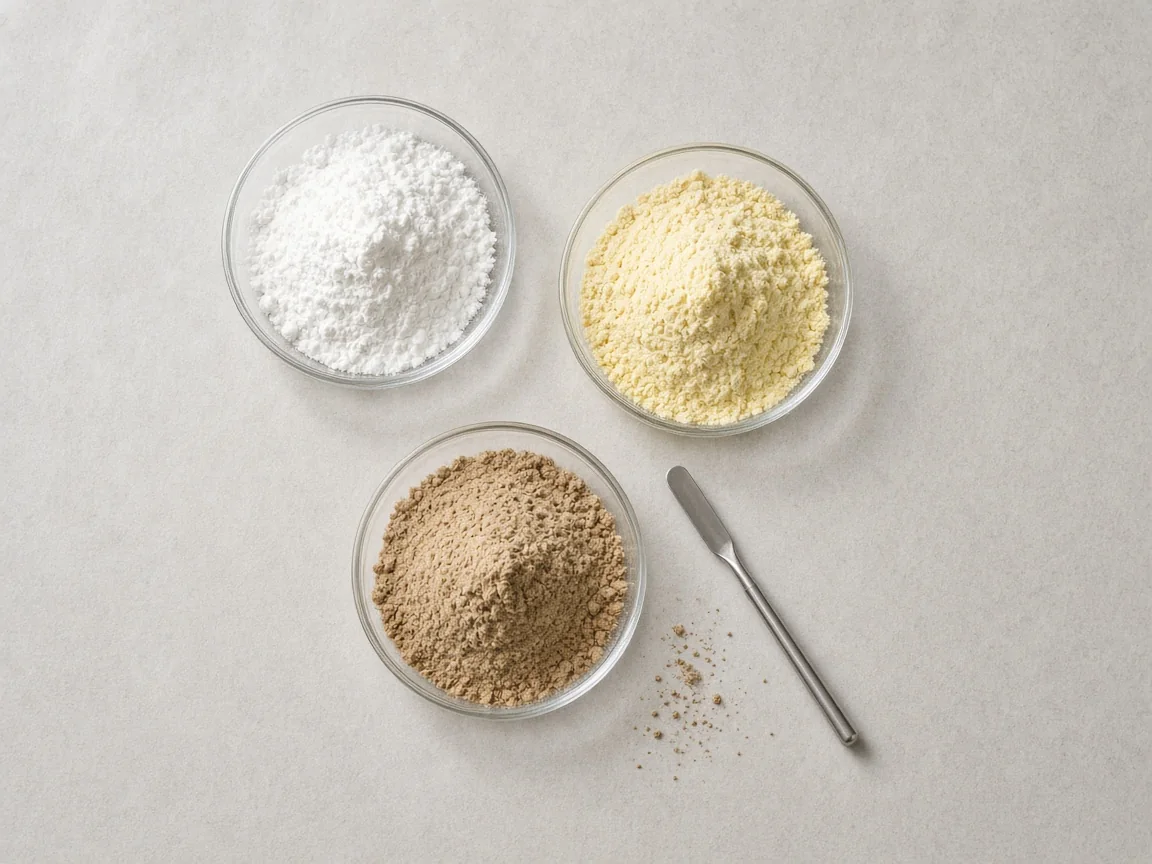
Colour mainly reflects the raw materials and the process:
- White: usually made from high-purity aluminium hydroxide; lowest iron and insolubles.
- Yellow: the most common colour; available in drinking-water and industrial grades.
- Brown / tan: higher iron content; used for wastewater treatment where colour is not an issue.
5. Insoluble matter
Insolubles do not help treatment and can cause deposits in dosing lines. Drinking-water grades have much stricter limits than industrial grades.
6. Powder or liquid
Powder is easier and cheaper to ship over long distances and stores well when kept dry. Liquid is convenient to dose but contains a lot of water, so freight per kg of active product is higher. For most overseas buyers, powder is the practical choice.
7. Ask for the COA and test it
Ask for the certificate of analysis for the actual batch, not only a generic data sheet. Then confirm performance with a jar test on your own water.
Want to try this with our PAC? Request a free 1 kg sample with COA. The sample is free; you cover the courier.